
New Era Of Motorsport 2026: which racing series will change the most
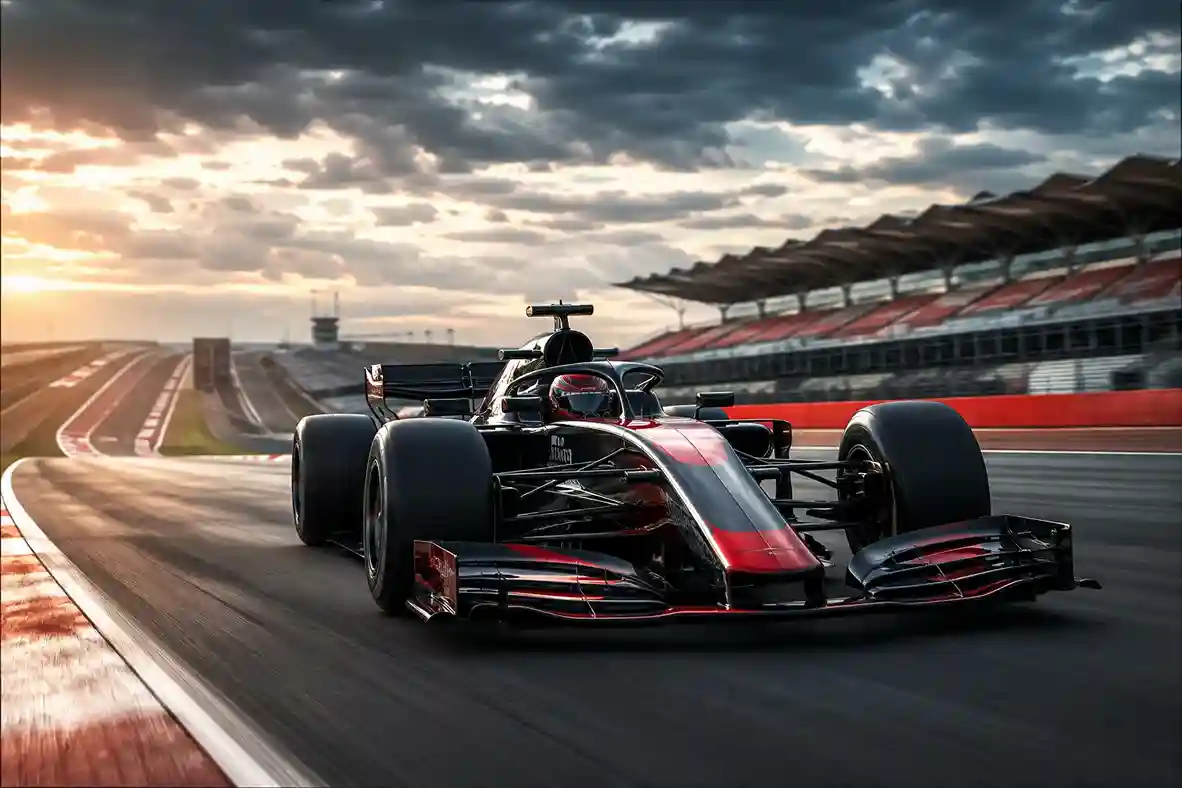
Motorsport does not usually transform all at once. Most seasons arrive with a few technical tweaks, a revised calendar, and the same familiar arguments about who adapted best. The 2026 landscape feels different. In several major championships, the changes are not cosmetic. They go to the heart of what the cars are, how they are driven, what manufacturers want from racing, and what fans will actually see on screen and at the track. Formula 1 is preparing for one of its biggest regulation resets in years, the World Endurance Championship is becoming deeper and more crowded at the top, Formula E is lining up a true step-change for its next generation, IndyCar is learning how to make its hybrid layer matter more, NASCAR is pushing its identity through schedule innovation, and WRC is reshaping the way its weekends work.
That makes 2026 unusual not simply because change is coming, but because different kinds of change are arriving at the same time. Some series are rebuilding the machinery. Some are changing the competitive map. Some are refining the sporting product so the same cars can produce a different championship. The interesting question is not whether motorsport is entering a new era. It is which championships will feel most transformed once that era is actually on track.
Why 2026 Feels Bigger Than A Normal Rule Change
When people talk about a “new era,” they often mean new bodywork, fresh branding, or a few extra manufacturers in the paddock. Real turning points are rarer. They happen when technology, sporting logic, commercial priorities, and fan expectations all pull in the same direction. That is exactly what makes 2026 so important. Sustainability is no longer a side theme, electrical power is no longer a token add-on, and the relationship between racing and road-car relevance is more central than it was a decade ago. Formula 1’s 2026 framework, for example, is built around advanced sustainable fuels and a much stronger electrical contribution in the power unit. Formula E’s GEN4 project is explicitly positioned as a leap in speed, all-wheel-drive capability, and manufacturer relevance. WEC’s growth is being driven by the same idea from another angle: road-car brands now see endurance racing as a serious global platform again.
That matters because the strongest series in 2026 will not be the ones making the loudest announcement. They will be the ones that can turn these structural shifts into better racing. A new car can miss the mark. A crowded grid can become a Balance of Performance argument. A cleaner fuel story can still produce dull races if the sporting package is weak. The championships that will feel most changed are the ones where the transformation reaches the driver, the team, the fan, and the broader identity of the series at the same time.
The cleanest way to compare the landscape is to separate full resets from partial ones. Some series are heading into machinery-led change. Others are getting stronger because of entries, format, or smarter regulation rather than a total technical reboot.
Before looking at each championship in depth, it helps to compare the scale of confirmed change across the main series for 2026 and, where relevant, the 2026/27 season.
| Series | Main 2026 shift | Type of change | Likely impact level |
|---|---|---|---|
| Formula 1 | New chassis and power-unit era, more electrical power, sustainable fuel, active aero logic | Full technical reset | Very high |
| FIA WEC | 17 Hypercars, 14 brands, Genesis joins, field depth expands | Competitive and manufacturer expansion | Very high |
| Formula E | GEN4 confirmed for 2026/27 with 600kW and active AWD throughout race phases | Full technical reset | Very high |
| IndyCar | Hybrid deployment rules pushed into a more strategic role in 2026 | Performance and race-craft evolution | Medium to high |
| NASCAR Cup | Major schedule reshaping with San Diego, Homestead title race, Chicagoland and North Wilkesboro points return | Sporting and calendar identity shift | Medium |
| WRC | Revised sporting regulations, mandatory rest hours, operational reset for rally weekends | Sporting structure refinement | Medium |
This comparison shows why 2026 will not hit every paddock in the same way. Formula 1 and Formula E are changing the machines themselves. WEC is changing the weight and complexity of the field around the same basic Hypercar concept. IndyCar, NASCAR, and WRC are moving in more targeted ways, but targeted does not mean trivial. Those series may not look brand new at first glance, yet the way they are raced and consumed could still shift meaningfully over the season.
Formula 1: The Biggest Pure Reinvention
If the question is which championship is changing most at the level of the racing machine itself, Formula 1 has the clearest claim. The 2026 rules are not a gentle evolution of the current generation. They point toward smaller, lighter, more agile cars, with a much stronger electrical contribution and a new balance between drag reduction, energy deployment, and straight-line performance. The FIA and Formula 1 have framed the new package around safety, agility, sustainable fuel, and a 50/50 split between electrical and thermal power in the power unit. That is a major philosophical shift, not a footnote in the rulebook.
The reason this matters so much is simple: F1 has spent years dealing with one persistent criticism even during commercially successful seasons. The cars became too large, too heavy, and at times too constrained in how drivers could really throw them around. The 2026 direction is an attempt to address that without abandoning the modern demands of efficiency, electrification, and manufacturer relevance. In principle, it is trying to make Formula 1 feel more nimble without becoming nostalgic or technically regressive. That is an ambitious target, and ambition is exactly what makes the shift so important.
There is also a competitive layer that could make the reset even sharper. New regulations tend to scramble pecking orders. Even if one team adapts best, the opening phase of a new rules cycle usually rewards flexibility, brave engineering choices, and fast operational learning. The existing giants still have huge advantages, but 2026 opens the door to surprises more than a stable rule set ever could. That does not guarantee a classic season, yet it raises the ceiling. A series changes most when it changes both what the cars are and who can realistically master them.
For drivers, the change may be more dramatic than it first appears. Energy use will become more central to racecraft. The interaction between straight-line speed, deployment, drag modes, and cornering balance should place more responsibility in the cockpit. In a healthy scenario, that produces a championship where technical intelligence and pure car control are tied together more tightly than they are now. If that happens, Formula 1 in 2026 will not just look different on paper. It will feel different lap by lap.
WEC: The Deepest Transformation In Competitive Shape
If Formula 1 owns the biggest technical reset, WEC may be the series whose overall ecosystem changes most dramatically. The 2026 provisional entry list shows 17 Hypercars, 18 LMGT3 entries, and 14 brands. Genesis joins the Hypercar class, while the category continues to pull in top-level factory attention and serious driver lineups across the board. That is the sort of density endurance racing once dreamed about and struggled to sustain. In 2026, it is real.
Why is this such a major shift? Because endurance racing is not transformed only by the car regulations. It is transformed when the championship becomes harder to control, harder to predict, and more valuable to win. A deep Hypercar field changes strategy, traffic management, qualifying importance, race tempo, manufacturer politics, and the meaning of a podium. It also changes how fans follow the season. In a smaller field, people focus on one or two favorites. In a packed one, the championship feels like a genuine world contest again.
WEC also benefits from something few series currently manage this well: it sits at the intersection of prestige and relevance. Le Mans still carries enormous symbolic weight, but the wider championship now has enough quality to make the full season matter. That is important. One famous event can elevate a series, but a durable grid is what changes its identity. The arrival of more brands does not merely create headlines. It makes the category feel less fragile and more central to global motorsport.
There is also a stylistic point here. Endurance racing used to be easy for casual fans to misread as remote, technical, and slightly inaccessible outside the big 24-hour classics. The Hypercar era has helped reverse that. Different design ideas, famous manufacturers, recognizable drivers, and more visible strategic tension have made the class easier to follow without diluting its depth. By 2026, that trend looks set to intensify. WEC may not be rewriting its core concept in one regulatory stroke, but it is changing what top-level endurance racing means in the public imagination.
Formula E: The Most Radical Modern Vision
Formula E’s next true leap arrives with GEN4 in the 2026/27 season, and that matters for any serious look at the 2026 motorsport landscape because the project has already been defined and unveiled in concrete terms. The new car is set to deliver 600kW, active all-wheel drive in every phase of the race, and significantly higher top-end performance. Formula E and the FIA have presented it as the fastest and most advanced car in the series’ history, with a stronger emphasis on road relevance, efficiency, recyclable materials, and technical spectacle.
That gives Formula E one of the strongest claims to being a true new era series, even if the debut sits in the 2026/27 championship rather than a single calendar-year season. What makes the shift important is not only the raw number attached to power output. It is the change in the character of the category. Formula E has often been admired for its city-center identity and energy-management complexity while also being questioned by viewers who wanted a more obviously fast, aggressive, visually convincing race car. GEN4 looks designed to answer that criticism directly.
There is a deeper strategic point as well. Electric racing has matured beyond being “the alternative” to conventional series. It now has to justify itself as elite sport on its own terms. GEN4 seems built with that pressure in mind. Faster acceleration, active all-wheel drive, and a more dramatic visual and performance package are not only engineering upgrades. They are narrative upgrades. They tell the audience that electric racing does not need to trade excitement for relevance.
A short list of reasons why Formula E could feel dramatically different as the GEN4 era begins is worth setting out clearly.
- The cars will be faster in a way casual viewers can immediately understand.
- Active all-wheel drive throughout race phases should reshape traction, attack, and overtaking feel.
- Manufacturer participation remains central, which strengthens the link between competition and real-world technology narratives.
- The series is trying to combine sustainability with a more openly spectacular product rather than asking fans to choose between them.
That combination gives Formula E a rare opportunity. If the races match the promise of the specification, the series could stop being discussed mainly as an interesting concept and start being judged as one of the most distinctive top-level championships in the world. That would be a bigger cultural shift than a simple car upgrade.
IndyCar, NASCAR, And WRC: Smaller Resets, Real Consequences
Not every important 2026 change comes wrapped in a complete redesign. IndyCar is a good example. The hybrid layer introduced earlier is being pushed toward more strategic relevance in 2026, with increased minimum deploy settings helping eliminate the conservative “trickle deploy” pattern that drivers and teams had slipped into. That sounds narrow compared with Formula 1’s giant reset, but it could matter a great deal on track. A hybrid system only changes racing if teams are forced to use it creatively rather than defensively. IndyCar appears to be moving in that direction.
That matters because IndyCar’s strength has long been the closeness of its competition and the visible role of driver skill. A smarter hybrid framework does not need to reinvent the car to improve the racing. If it produces more variation in qualifying and more tactical contrast in race stints, it can make the series feel fresher without compromising its core identity. In other words, IndyCar’s 2026 changes are smaller than F1’s, but they may be better targeted to what the series actually needs.
NASCAR’s changes sit in another category again. The Cup Series is not entering a total technical revolution in 2026, but the championship is reshaping its calendar and its sense of place. Officially announced moves include a street-course event at San Diego’s Naval Base Coronado, the championship race returning to Homestead-Miami Speedway, Chicagoland coming back, and North Wilkesboro gaining its first points-paying Cup event since 1996. That is not just schedule housekeeping. It is a statement about how NASCAR wants to balance tradition, experimentation, and fan memory.
Schedule design matters more in NASCAR than in many global series because venue identity is tied so closely to the sport’s culture. Put simply, where NASCAR races helps define what NASCAR is. A title decider at Homestead carries a different emotional and competitive feel from one held elsewhere. A points race at North Wilkesboro says something about heritage. A street event says something about ambition and audience growth. These moves may not create the most technically transformed championship of 2026, but they could create one of the most visibly re-authored ones.
WRC, meanwhile, is changing in a quieter but still meaningful way. The FIA-approved 2026 sporting updates introduce mandatory rest hours, a formal Candidate Rally framework, revised engine replacement rules, and additional operational refinements. On paper, this is less glamorous than a new car. In practice, it addresses a basic truth of rallying: the championship can only thrive if its events remain demanding without becoming unsustainably punishing. The new mandatory recovery thresholds are especially notable because they respond directly to feedback about long competition hours and the strain placed on crews, teams, officials, and volunteers.
That is why WRC should not be dismissed in this conversation. A series changes not only when the cars evolve, but when the shape of the weekend becomes more humane, more coherent, and easier to build around. Rallying has always asked a lot from everyone involved. If 2026 makes the format healthier without making it softer, that is real progress.
Which Series Will Change Most, And What That Means For Fans
If the ranking is based on pure mechanical reinvention, Formula 1 comes out on top. The scale of its rules reset, the shift toward stronger electrical contribution, and the attempt to produce smaller, more agile cars make it the clearest case of a championship entering a new technical identity.
If the ranking is based on the shape and competitive density of the series, WEC may be the biggest winner. A 17-car Hypercar field backed by 14 brands changes the championship’s gravity. It becomes harder to dominate, richer in stories, and more prestigious to conquer.
If the ranking is about future-facing vision, Formula E has the boldest pitch. GEN4 is not a minor step. It is an attempt to prove that electric racing can be visibly faster, more aggressive, more technologically compelling, and still true to its environmental mission.
That leaves IndyCar, NASCAR, and WRC in an interesting middle ground. They are not being remade from scratch, but each is adjusting pressure points that really matter. IndyCar is sharpening the way hybrid performance influences racing. NASCAR is reworking the meaning of its calendar and title path. WRC is refining the human structure of rally competition. Those are not small matters. They simply operate on a different scale from a full technical reboot.
For fans, the best part of 2026 is that change will not arrive in one flavor. Some championships will get faster, some deeper, some smarter, and some more demanding in new ways. That variety is healthy. Motorsport becomes less interesting when every series tries to solve the same problem with the same language. The most exciting possibility for 2026 is that each major championship seems to understand its own challenge a little more clearly than before.
The strongest conclusion is also the simplest one. Formula 1 is likely to feel the most transformed on the stopwatch and in the design office. WEC may feel the most transformed in prestige and field quality. Formula E may feel the most transformed in ambition. Together, they define the real new era of motorsport in 2026: an era where racing series are no longer judged only by tradition, but by how convincingly they can reinvent themselves without losing their soul.