
New 2026 Formula 1 Cars: why DRS removal is the biggest change of the season
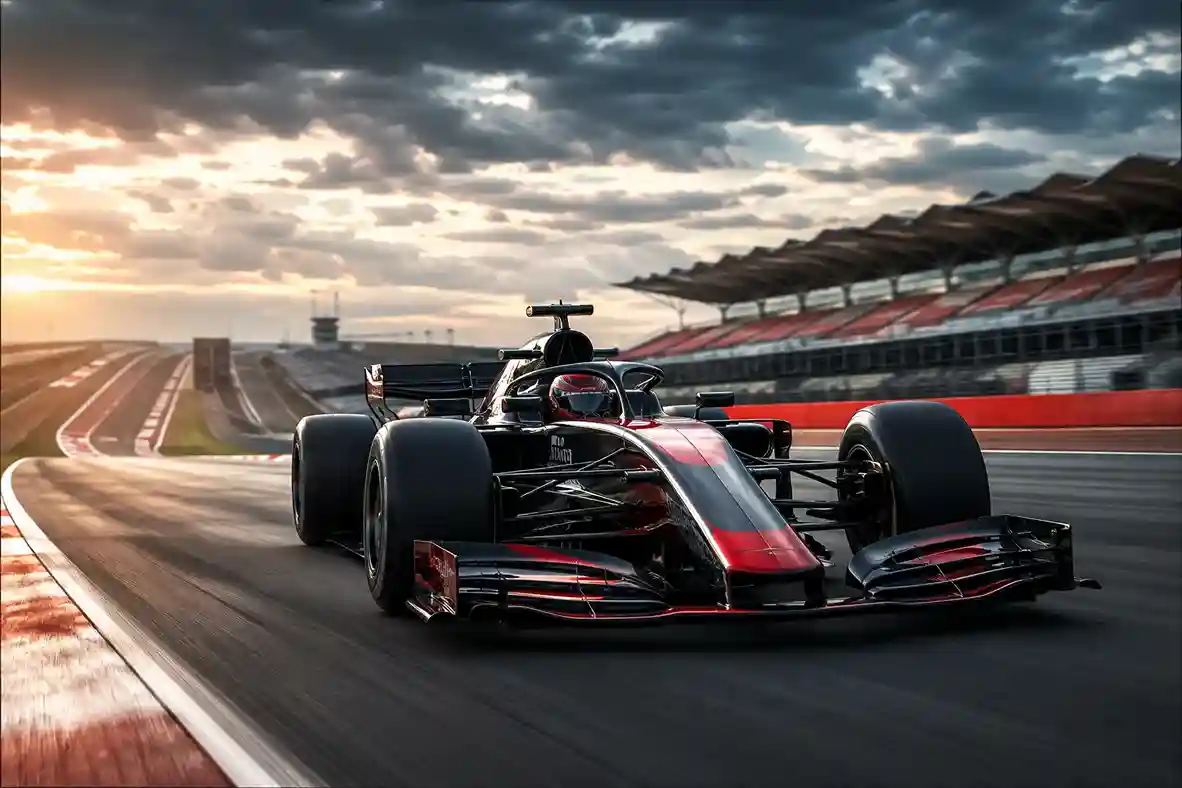
Formula 1 has changed its cars before, changed its engines before, and changed its aero philosophy before. What makes 2026 feel different is that several big ideas are arriving at the same time. The cars are smaller. They are lighter. The power units lean far more heavily on electrical energy. Sustainable fuel becomes part of the core identity of the sport. On paper, that is already enough to make 2026 one of the most important regulation resets in modern F1.
Yet the change that will shape the racing most clearly for ordinary viewers is the disappearance of DRS as we have known it. For more than a decade, DRS has been the sport’s most visible overtaking aid: simple to explain, easy to spot, often controversial, sometimes effective, sometimes too artificial. In 2026, F1 moves away from that single rear-wing shortcut and replaces it with a broader system built around active aerodynamics and new energy deployment rules. That is not a cosmetic rewrite. It changes how drivers attack, how they defend, how engineers build a race plan, and how fans will understand what they are watching on every straight.
The easiest way to understand the new era is to stop thinking in terms of one button that opens a flap and start thinking in terms of a car that changes character across the lap. The 2026 machines use movable front and rear wings, with different aerodynamic states designed to balance cornering grip, straight-line efficiency, and battery use. At the same time, the new power units bring a far bigger electrical contribution, with MGU-K output rising from 120 kW to 350 kW, while braking energy recovery rises to 8.5 MJ per lap. That means overtaking is no longer just about being within a timing line and activating a rear wing. It becomes a deeper contest of proximity, traction, energy, and timing.
That is why DRS removal matters more than any single dimension change or bodywork tweak. Smaller and lighter cars will help. Safer structures matter. Sustainable fuel matters too. But the end of the old DRS model is the moment where the sport openly admits that the previous overtaking solution had reached its limit. The 2026 package is F1’s attempt to build something more integrated: not a patch placed on dirty air problems, but a racing system in which aero, energy and driver decisions all work together.
DRS Defined An Era, But It Also Showed Its Limits
DRS was introduced to help cars pass when turbulent air made it too hard to follow closely through corners. In practice, it did many different jobs over the years. At some circuits it rescued the show. At others it made passes feel too easy. Sometimes it created thrilling setups into heavy braking zones. Sometimes it reduced the skill of completing the move because the speed delta was simply too large. That inconsistency sat at the heart of the debate around it.
The problem was never that DRS did nothing. The problem was that it was always a partial fix. It treated the symptom more than the disease. If one car struggled to stay close in medium- and high-speed corners, F1 compensated by handing the chasing driver a straight-line aero advantage. The sport accepted that trade-off because it wanted more overtaking, and for a long time there was no better compromise. But it always left a lingering sense that the pass had been manufactured by the system rather than fully created by the racing itself.
The 2026 regulations move away from that logic. Official F1 terminology for the new rules says movable front and rear wings replace DRS, while the FIA presentation for the 2026 rules describes active aerodynamics and a Manual Override system as the new tools intended to increase overtaking opportunities. In other words, F1 is no longer relying on a single, rear-wing-only aid. It is rebuilding the idea of how a car gains or sheds performance across a lap.
That is a larger philosophical shift than it may first appear. DRS was fundamentally binary. Either you had it or you did not. Either the rear flap opened or it stayed shut. The 2026 model is more layered. Cars run with movable aero surfaces front and rear, and the driver can shift into a low-drag state in specific parts of the track. The result is that overtaking becomes less about one predefined assistance window and more about how a driver combines aero configuration with electrical deployment and track position.
That should also change how racecraft looks on television. Under the old model, fans often waited for the DRS detection line and then counted the seconds until the move. Under the new model, the decisive moment may begin much earlier, in how a driver exits the previous corner, protects battery, places the car in dirty air, or forces the rival into a compromised line before the straight even begins. It is still technology-assisted racing, because modern F1 will always be that, but it places more emphasis on sequence and judgement than on one familiar rear-wing trigger. That is why the end of DRS is not a detail hidden inside the regulations. It is the clearest sign that the sport wants a new style of combat.
Active Aero Changes The Car More Than Fans Realise
The headline term for 2026 is active aerodynamics, and that matters because it changes the car in a more complete way than DRS ever did. Formula 1’s official explainer says the new cars feature movable front and rear wings. In standard running, the system can adopt what F1 has described as Z-mode, while drivers can also switch to X-mode, a low-drag configuration intended to maximise straight-line speed. F1 also noted that this lower-drag setting is expected to be available on straights longer than roughly three seconds, where reduced downforce is considered safe.
This matters because the car is no longer being optimized around one overtaking gimmick at the rear. The front and rear of the car are working together. That changes balance, tyre load, and the feel of the car as the driver moves from cornering phases into straight-line phases. The 2026 machine is meant to be a more adaptable platform, not just a faster car in a DRS zone. If that works as intended, the benefit is bigger than higher top speed. It should also make the cars less stubborn in the wake of another car and less dependent on a single artificial release valve for overtaking.
The rest of the chassis rules support that goal. F1’s official explainers say the new cars are 200 mm shorter in wheelbase, 100 mm narrower overall, and designed to be about 30 kg lighter than the current generation. The FIA technical regulations set the maximum wheelbase at 3400 mm, reinforcing the move toward a more agile package. F1 and the FIA have also described meaningful reductions in drag and downforce, with the broad intention of making the cars more efficient and easier to race.
Those dimensions may sound like small engineering housekeeping, but they are central to why DRS could finally be removed. A smaller, lighter and less draggy car asks less from the overtaking aid because it is already better suited to staying connected to the car ahead. If the chasing driver loses less through the corner, the straight does not need such a dramatic correction. That is where the 2026 concept becomes coherent. Active aero is not replacing DRS in isolation; it is replacing DRS inside a car package designed to need less rescue from it in the first place.
The Real Overtaking Story Is Aero Plus Energy, Not Aero Alone
The most important hidden piece of the 2026 puzzle is that DRS is not just being removed and replaced by active wings. It is being replaced in a season where power deployment becomes much more strategically important. The new power unit keeps the 1.6-litre V6 hybrid architecture, but the electrical side grows massively. Official F1 material states that MGU-K power rises from 120 kW to 350 kW, while ICE output falls to around 400 kW, creating a much more even balance between combustion and electric power. The FIA has also set the absolute electrical DC power of the ERS-K at 350 kW in the regulations.
Energy recovery also becomes a far bigger part of the story. F1’s explainer says recuperated braking energy doubles to around 8.5 megajoules per lap, and the FIA technical regulations specify that the energy harvested by the ERS-K must not exceed 8.5 MJ per lap under the standard framework. That is a major increase in how much of a lap can be shaped by battery behaviour, harvesting windows and deployment choices.
Here is the critical point: once overtaking depends on both aero state and energy availability, passing becomes a more complex contest than old DRS usage. The following car can no longer assume that getting within a second will solve the problem. It needs the right battery condition, the right corner exit, the right straight, and the right moment to commit. The defending driver, meanwhile, is no longer simply sitting there hoping the detection line comes too late. Defence becomes an exercise in forcing the attacker to spend electrical energy in the wrong place.
A useful snapshot of the 2026 shift looks like this:
| Element | Previous DRS Era | 2026 System |
|---|---|---|
| Main overtaking aid | Rear-wing flap opening in designated zones. | Active front and rear aero plus energy-based attack tools. |
| Driver attack logic | Get within range, open DRS, use slipstream. | Combine aero mode, battery state, exit speed and timing. |
| Defensive logic | Break tow, manage battery, place car well. | Force rival into poor deployment timing and weaker corner exit. |
| Technical feel | Binary and easy to read. | More dynamic, more tactical, less predictable. |
| Spectator experience | Clear trigger, sometimes overly mechanical. | Less obvious, but potentially richer and more skill-based. |
The table shows why the removal of DRS is not really a subtraction. It is a replacement of a simple overtaking shortcut with a broader racing system. That makes the sport slightly harder to explain in one sentence, but it also gives drivers more ways to influence the result themselves. Instead of waiting for a zone, they shape the opportunity over several corners and several phases of deployment.
That also explains why the FIA originally presented the 2026 rules with the phrase “Manual Override Mode” for the following car. The aim was not to make overtaking impossible without DRS, but to create a new attacking mechanism tied to battery power rather than a simple rear-flap privilege. The technical regulations confirm an “override” mode for electrical power deployment, while the sporting details sit in the sporting regulations.
Why This Change Puts Drivers Back At The Center
One of the smartest things about the 2026 package is that it openly puts more responsibility back on the driver. Formula 1’s own terminology update says that in this new generation, drivers have more power in their hands than ever before, with critical decisions around deployment, regeneration and conservation becoming central to performance. That is a revealing line, because it tells you what the sport wants this era to feel like. It does not want overtaking to be only an aerodynamic permission slip. It wants attack and defence to become decision-heavy again.
That does not mean the cars become simpler. Quite the opposite. Drivers will need to think harder about where to save energy, where to spend it, and how to live with a car that changes aerodynamic state more actively across a lap. But from a viewing perspective, that complexity can be healthy if it leads to more varied outcomes. One driver may choose to attack early. Another may delay the move and preserve deployment for later. One may use the low-drag configuration aggressively. Another may prioritize stability into the braking zone. Those choices are easier to respect than a pass that feels pre-written by the rulebook.
The likely consequence is that elite drivers gain even more leverage over races. Smooth traction, battery management under pressure, awareness of where the rival is vulnerable, and confidence in changing aero states at high speed will separate the best from the merely fast. Some will adapt immediately. Others may take months to find the rhythm. This is one reason why regulation resets often scramble the order even when the headline numbers look tidy on paper.
There are practical reasons for that too:
• Drivers will need to manage much larger electrical influence over a lap.
• Overtakes will begin with better corner exits, not only better top speed.
• Defending will depend on positioning and forcing rivals into poor deployment choices.
• Qualifying and racing may reward different energy habits more sharply than before.
• Confidence in switching between aero states could become a genuine performance skill.
This is the part of the 2026 story that can get lost under all the talk about dimensions and power figures. Formula 1 has not merely designed a new car. It has designed a new workload. If DRS was often criticized for simplifying the final phase of the overtake, the 2026 system tries to restore texture to that phase. There should still be moments where one car sweeps past with obvious speed, because F1 is still about performance, but the build-up to that moment ought to be richer and more driver-shaped.
Early 2026 Tweaks Show How Big The Transition Really Is
A good reminder of how radical the new system is came after the season had already begun. In April 2026, the FIA announced refinements to the regulations after discussions based on data from the first three events of the season. That is significant. It shows that the sport was not dealing with a small cosmetic update, but with a genuinely new competitive environment that needed real-world adjustment.
Among the agreed changes were reductions in maximum permitted recharge in qualifying from 8 MJ to 7 MJ, an increase in peak “superclip” power from 250 kW to 350 kW, and race measures capping maximum boost at +150 kW while keeping 350 kW MGU-K deployment in key acceleration zones and limiting it to 250 kW elsewhere. The FIA said these steps were meant to reduce excessive harvesting, cut driver workload, control closing speeds and preserve overtaking opportunities.
That latest update tells us two important things. The first is that the new era is very sensitive to energy calibration. Get the numbers slightly wrong and the racing pattern changes immediately. The second is that DRS removal really was the deepest racing change, because once the old system disappeared, the sport had to fine-tune the entire balance between attack, recharge, safety and spectacle. Under the old model, DRS often acted as a blunt but familiar control tool. In 2026, F1 is adjusting a far more intricate machine.
That does not mean the concept is failing. It means the concept is ambitious. Formula 1 is trying to build overtaking into the ecosystem of the car rather than bolting it on after the fact. That is naturally harder to perfect. It also means the season will likely keep evolving as teams learn more, because the smartest engineers will keep finding better ways to use the new balance between aero state and battery deployment.
The Bigger Picture: Why DRS Removal Will Define How We Remember 2026
When people look back on 2026, they will remember the new fuel, the stronger electrical side of the power unit, the record manufacturer interest, and the smaller, more agile cars. All of those deserve attention. Formula 1 and the FIA have both made clear that sustainability, efficiency, and raceability sit at the heart of the new rules, with 100% sustainable fuel and a more road-relevant hybrid package forming a major part of the championship’s future direction.
But the reason DRS removal stands above the rest is simple: it is the change fans will feel every lap. It alters the grammar of racing. It changes what counts as a good attack, what counts as a clever defence, and what viewers should watch for on the run into a pass. It removes one of the most familiar symbols of modern F1 and replaces it with a system that is more ambitious, more demanding and, if the sport gets it right, more authentic.
That does not guarantee perfection. Some tracks will suit the new logic better than others. Some races will still produce processional spells. Some fans will miss the simplicity of seeing a rear flap open and knowing exactly what comes next. But if the aim was to move beyond an overtaking aid that had become both useful and limiting, then 2026 is the year F1 finally committed to doing it properly.
In that sense, the biggest change of the season is not that DRS is gone. It is that Formula 1 no longer wants one easy answer to the overtaking problem. It wants a racing environment where passing is built from the car, the lap and the driver together. That is a more difficult road. It is also a more interesting one. And that is why the end of DRS will define this season more than any other line in the rulebook.